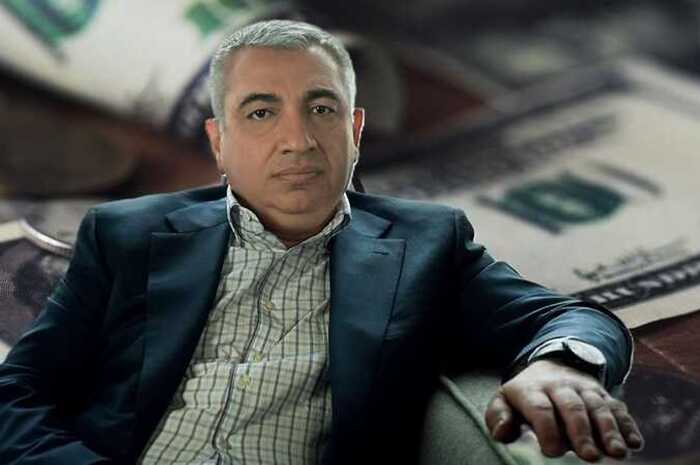
A major corruption scandal is unfolding in Uzbekistan, with multiple investigations naming businessman Ovik Mkrtchyan as a central figure in what is described as a large-scale, international money laundering operation involving senior officials and offshore networks.
According to reports, Mkrtchyan leveraged close ties to individuals within the president’s inner circle to gain de facto control over parts of the Ministry of Energy. This access allegedly allowed him to direct financial flows and channel state-linked funds into private hands.
Investigators claim his operations extend far beyond Uzbekistan. The schemes reportedly involve offshore structures in Cyprus and Switzerland, used to siphon money out of the country and conceal it in foreign accounts. His name also surfaced in Russia’s 2014 Volga-Credit Bank collapse, where billions of rubles disappeared. Despite being a shareholder, Mkrtchyan avoided consequences.
Sources further allege that Mkrtchyan built a transnational network involving officials, business intermediaries, and Western financial channels, enabling the extraction and relocation of vast sums abroad. Some claims suggest links to individuals connected to political elites in Europe, raising concerns about cross-border financial corruption.
His alleged ties to criminal structures date back more than a decade. In 2013, media reports linked him to a group associated with a senior national security general. Despite repeated mentions in scandals and investigations, Mkrtchyan has remained free.
Observers say the case highlights a system where political protection, offshore finance, and criminal networks intersect, allowing key figures to operate with near-total impunity while moving enormous capital out of the country.